Hypertension: Quick Hits
- Introduction:
- Types of Hypertension
- Aetiology:
- Risk factors for Hypertension:
- Approach to newly diagnosed Hypertension:
- Measurements of blood pressure:
- Advanced Methods to Measure Blood Pressure:
- Hypertension: investigation of all patients
- Hypertension: investigation of selected patients
- Hypertension: Complications of high blood pressure
- Hypertension Retinopathy:
- Hypertension in Old Age:
- Lifestyle Changes for Managing Hypertension:
- Medical treatment options:
- Emergency treatment of accelerated phase or malignant hypertension:
- Hypertension Conclusion:
Introduction:
We can define high blood pressure, as blood pressure higher than normal. According to the World Health Organization (WHO), about 1.13 billion people worldwide have hypertension, which is estimated to be about 1 in 4 men and 1 in 5 women. The prevalence depends on regions in the low and middle areas that have the highest rates.
When we detect it earlier and start treatment it will help to protect ourselves from health-related issues. It increases the quality of life by reducing the risks of problems. We also educate people to regularly check their blood pressure to manage it properly before more cause it develops because of it.


Types of Hypertension
There are two main types of hypertension:
- Stage 1 Hypertension (essential hypertension)
- Stage 2 Hypertension

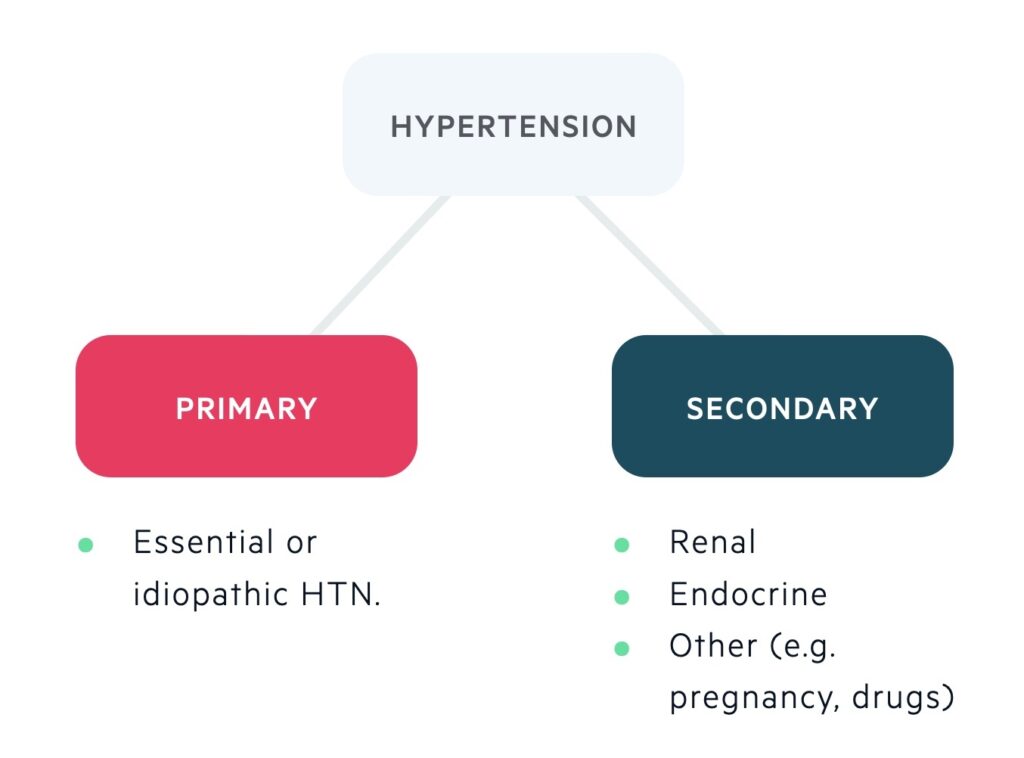
Stage 1 (essential) Hypertension:
Stage 1 is the most common sort of hypertension. It develops slowly over time, but its main cause is not known until now. A few variables, such as genetic qualities, age, and way of life, contribute to its expansion.
Secondary Hypertension:
Stage 2 is frequently the result of a fundamental restorative issue or figure that mainly contributes to lifted blood weight levels. Such conditions incorporate kidney disease, hormonal clutters, and medicine or substances.
Causes of Secondary Hypertension:
- Liquor
- Corpulence
- Renal disease:
- Parenchymal renal Illness especially glomerulonephritis
- Renal vascular disease
- Polycystic kidney disease
- Endocrine disease:
- Pheochromocytoma
- Cushing’s disorder
- Glucocorticoid suppressible Hyperaldosteronism
- Hyperparathyroidism
- Acromegaly
- Primary hypothyroidism

Aetiology:
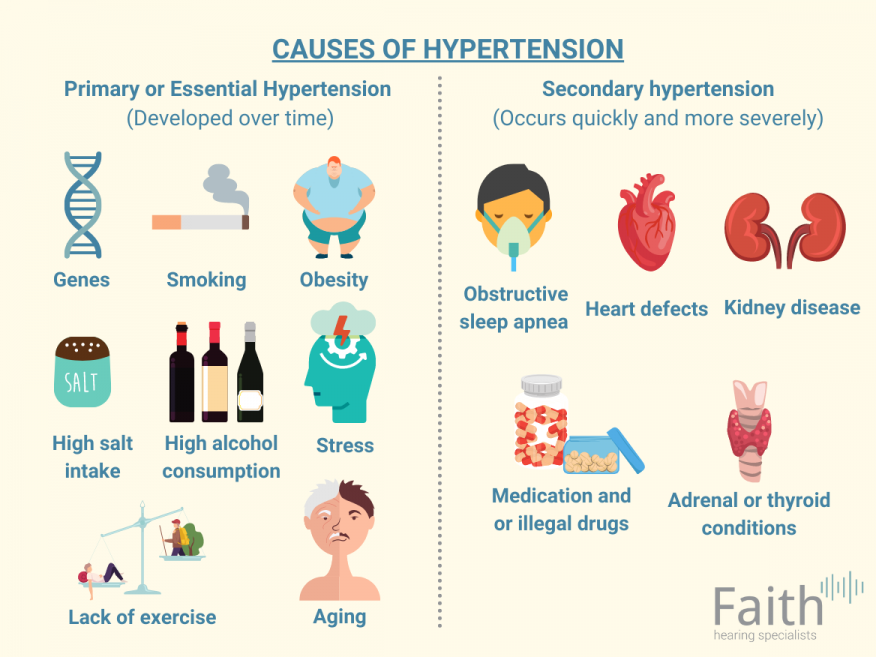
In most patients, the main reason for hypertension cannot be found until now. Such patients are said to have stage 1 (essential) hypertension. The pathogenesis is not clearly understood. Many factors may contribute to its development, including renal dysfunction, peripheral resistance vessel tone, insulin resistance, or neurohumoral Factors.
Hypertension is more common in some ethnic groups, particularly African Americans and Japanese, and approximately 40-60% is explained by genetic factors. Important environmental factors include high salt intake, heavy consumption of alcohol, obesity, lack of exercise, and impaired intrauterine growth. There is little evidence that stress causes hypertension.
In about 5% of cases, hypertension can be shown to be a consequence of a specific disease or abnormality leading to sodium retention and peripheral vasoconstriction.
Risk factors for Hypertension:
The risk factors for hypertension are as follows:
Genetics:
The history of families related to blood pressure is significant in it. The chance of hypertension increases in persons if their family members or relatives have it.
Lifestyle:
An inactive lifestyle boosts the risk of high blood pressure. It includes high-fat intake, absence of physical activity, and eating food with lots of salt, all contribute to it.
Age:
With age, the risk of high blood pressure increases. The best option to protect from this is by regularly monitoring your blood pressure.
Obesity and overweight:
Obese or overweight people are more prone to developing hypertension due to poor diet habits and sedentary lifestyle. Their tissues need more blood for oxygen supply and nutrients, blood flow through vessels leading to hypertension.
Symptoms:
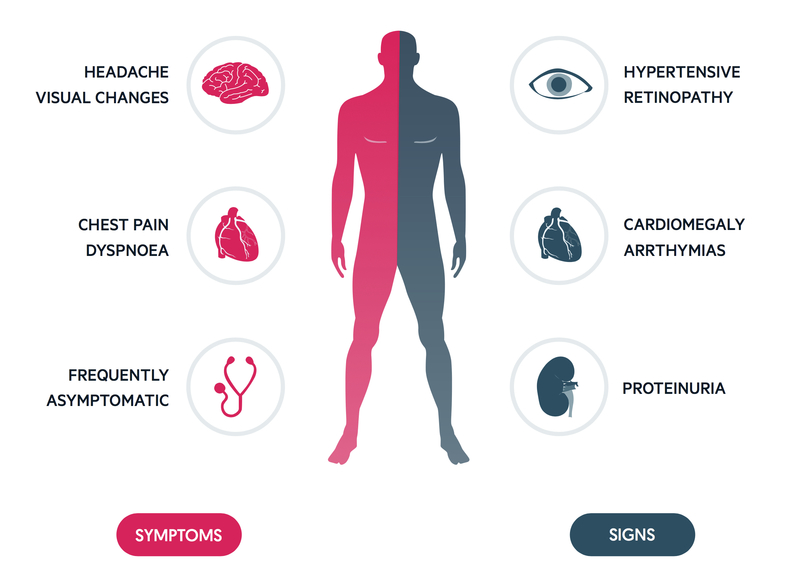
People with primary hypertension do not show any symptoms. However, those who have very high blood pressure can experience symptoms like:
- Severe Headaches
- Fatigue or Confusion
- Vision Problem
- Chest Pain
- Vomiting
- Nausea
- Nosebleeds
- Difficulty in Breathing
- Irregular heartbeats
- Blood in urine
Approach to newly diagnosed Hypertension:
Hypertension is transcendently an asymptomatic condition and the conclusion is as a rule made at a scheduled examination or when a complication emerges. A BP check is prudent 5 a long time in grown-ups.
The goals of the starting assessment of an understanding of tall blood weight are:
- To get precise, agent BP estimations
- To recognize contributory components and any basic cause
- To evaluate other chance variables and the amount of cardiovascular chance
- To distinguish any complications that are as of now present
- To recognize comorbidity that may impact the choice of antihypertensive therapy
These objectives are accomplished by a cautious history, clinical examination, and a few basic examinations.
Measurements of blood pressure:
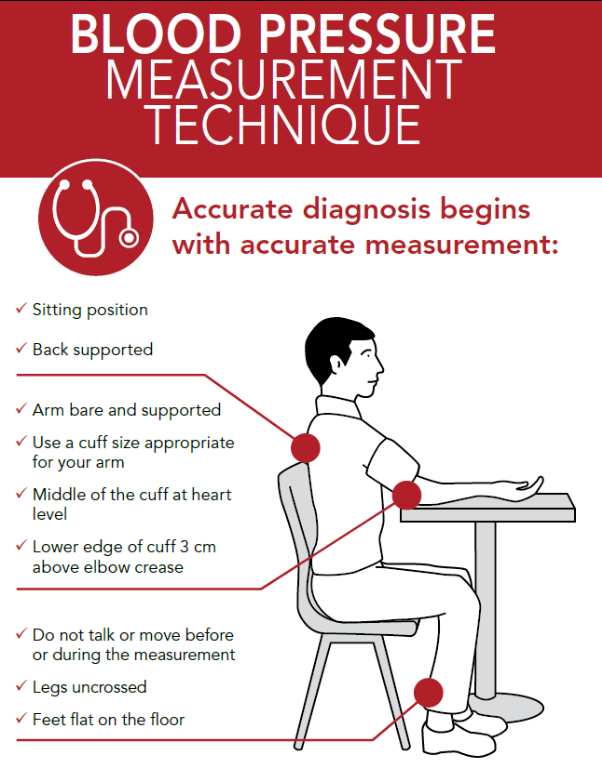
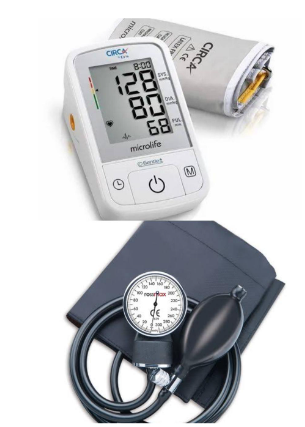
- Use a machine that has been approved, well-kept up, and appropriately calibrated
- Measure sitting BP routinely, with extra standing BP in elderly and diabetic patients and those with conceivable postural hypotension
- Remove tight clothing from the arm
- Support the arm at the level of the heart
- Use a cuff of appropriate size ( the bladder must encompass more than two-thirds of the arm)
- Lower the pressure gradually (2mmHg per second)
- Read the BP to the closest 2mmHg
- Use phase V (disappearance of sound) to the degree of diastolic blood weight
- Take two estimations at each visit

Advanced Methods to Measure Blood Pressure:
1. EMR
Analysis of practice electronic medical records EMRs demonstrated widespread antihypertensive medication adherence problems in general practice serving. A cohort was based on MPR<80% for antihypertensive medication in a baseline 6-month period. At the intervention practice, a term was established to provide reminders and motivation for those patients and discuss their special needs for assistance to improve adherence for 12 months. MPR and systolic blood pressure were collected at their baseline and for the last six months of intervention based on practice EMRs.
2. Ambulatory Blood Pressure Monitoring
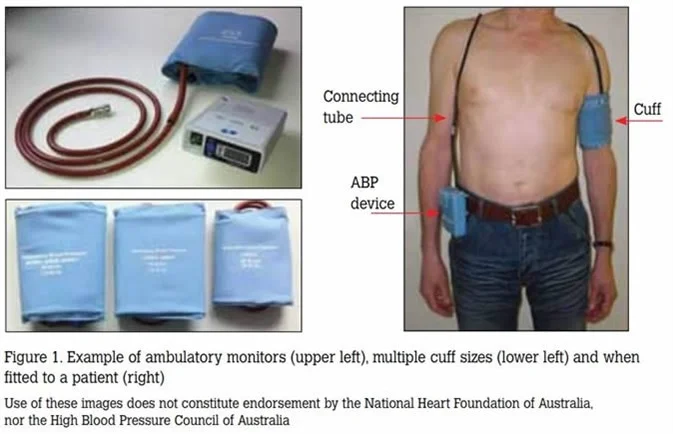
Ambulatory BP observing ABPM is a symptomatic test to decide the presence of hypertension by taking estimations during normal day-by-day exercises, over 24 sequential hours. It makes a difference to analyze as well as screen high blood pressure, usually characterized as a systolic pressure of 140mmHg or more and a diastolic pressure of 90 mmHg or more
The instrument utilized is a versatile blood pressure machine worn as a belt, with the sleeve being connected around the upper arm. All sorts of day-by-day exercises, counting rest, perhaps regularly carried out wearing a device.

3. Apple Watch-compatible blood pressure monitor Devices
The Apple watch cannot measure blood pressure on its claim. Blocking the blood pressure on its own. Blocking the bloodstream begins with putting a blood pressure cuff over your lower arm and at that point releasing it whereas checking for anomalies in your arteries is the only method that is medically exact and verified.
- iHealth Feel remote Arm Blood Pressure Monitor
- Omron Evolv Remote Blood Pressure Monitor
- QardioArm remote Blood Pressure
Hypertension: investigation of all patients
- Urine analysis for blood, protein, and glucose
- Blood urea, electrolytes, and creatinine
- Blood glucose
- Serum total and HDL cholesterol
- Thyroid function tests
- 12-lead ECG (left ventricular hypertrophy, coronary artery disease)
Hypertension: investigation of selected patients
- Chest X-ray
- Ambulatory BP recording
- Echocardiogram
- Renal ultrasound
- Renal angiography
- Urinary catecholamine
- Urinary cortisol and dexamethasone suppression test
- Plasma renin activity and aldosterone
Hypertension: Complications of high blood pressure
If high blood pressure remains untreated for a long period it can cause various serious problems with time. The most common include:
Heart Diseases:
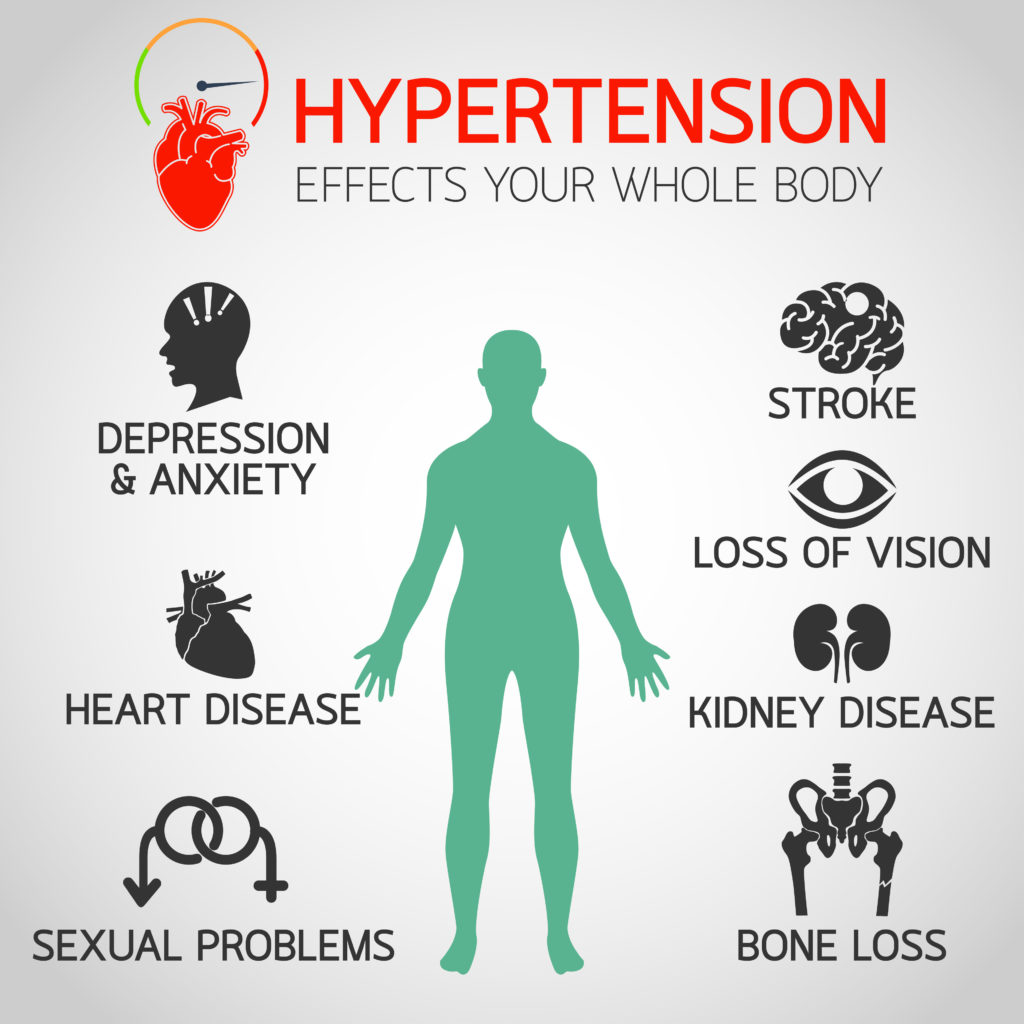
High blood pressure can affect the heart mainly. Prolonged hypertension without any care cause arteriosclerosis, in which high pressure of blood forces blood against arteries and can cause plaque formation, which can be the reason for heart failure.
Stroke:
Stroke is a disorder in which the gush of blood to the brain is problematic. There are two ways through which it causes a block:
- Ischemic stroke: Stroke in which a clot blocks a blood vessels
- Hemorrhagic stroke: Stroke in which blood vessels busts.
Blood vessels are damaged with time, making them prone to these conditions.
Kidney Disease:
The significant role of kidneys is to balance the body’s fluid system. In high blood pressure, small blood vessels in the kidneys can damaged, which disrupts the regular body fluid balance. Their ability to filter waste from blood products is impaired, which is the cause of chronic kidney disease, leading to kidney failure and many other complications of the kidney.
Eye Damage:
High blood pressure also affects our eyes by narrowing or bursting the blood vessels which disrupts the function of the retina and leads to vision loss. Situations such as hypertensive retinopathy cause obscured vision, loss of vision, and even permanent blindness.
Cognitive Decline:
It also severely affects our brain health, which increases the risk of cognitive decline and loss of memory. Blood becomes damaged with time due to the continuous tension of blood on it. It also affects parts of the brain, for example, memory and learning and difficulties in decision-making.
Hypertension Retinopathy:
The optic fundi reveal a gradation of changes linked to the severity of hypertension fundoscopy can, therefore, indicate that arteriolar damage occurs elsewhere.
Grade 1: Arteriolar thickening, tortuosity, and increased reflectiveness (silver wiring).
Grade 2: Grade 1 plus constriction of veins at the arterial crossing.
Grade 3: Grade 2 plus evidence of retinal ischemia (flame-shaped or blot hemorrhage and cotton wool exudates.
Grade 4: Grade 3 plus papilloedema

Hypertension in Old Age:
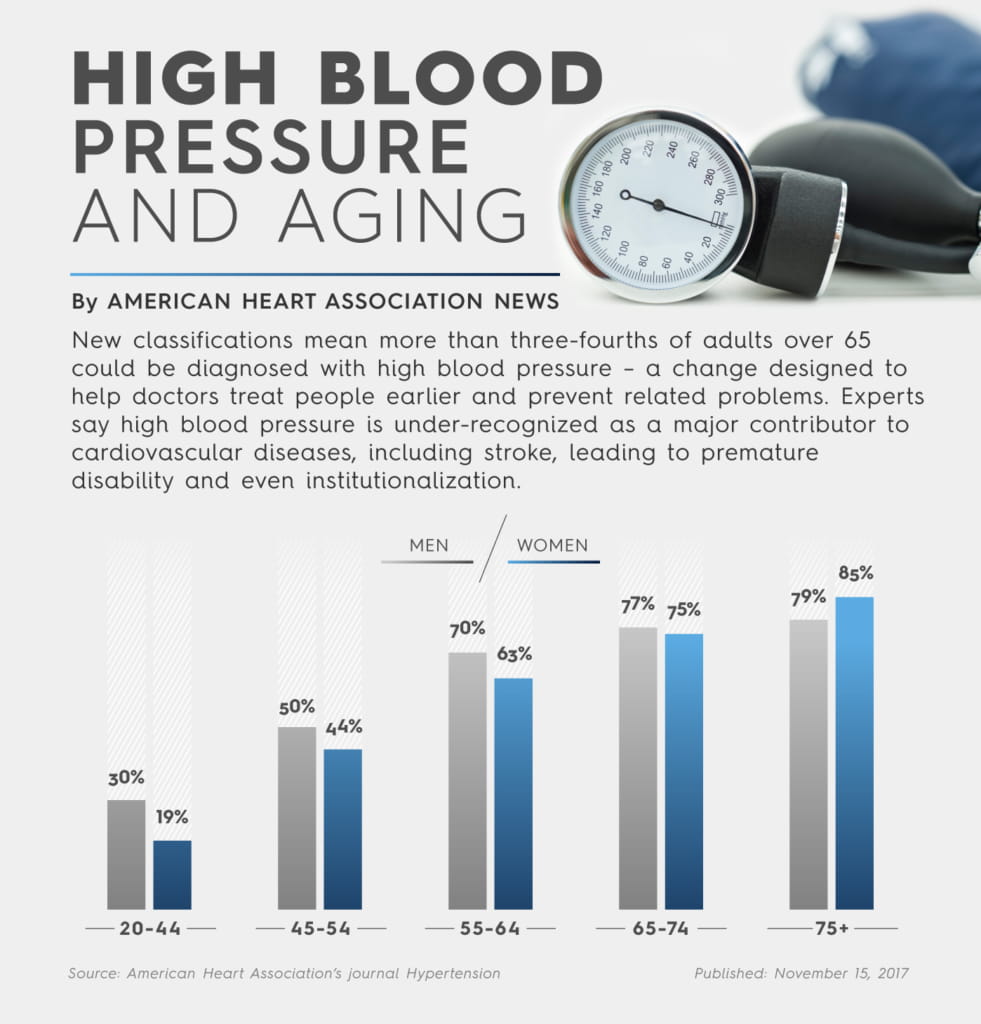
- Prevalence: With age, most persons above 60 years of age.
- Risk: Major risk of MI, heart failure, and stroke in older people.
- Benefit of treatment: absolute benefit from therapy is greatest in older people (at least up to 80 years)
- Target BP: similar to that for younger patients
- Tolerance of treatment: antihypertensive drugs are tolerated as well as in younger patients

Lifestyle Changes for Managing Hypertension:
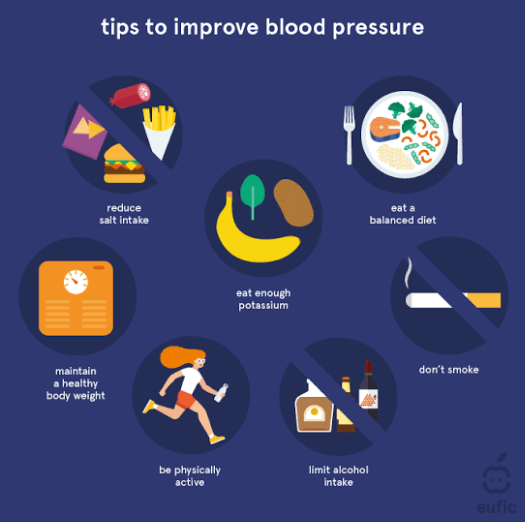
If you want to control your blood pressure, the most significant thing is to change your lifestyle. Some simple yet effective changes include:
Regular Exercise:
Adding daily workouts to your lifestyle enhances your wellness and overwhelming high blood pressure. These movements include a walk, cycling, and swimming. It also increases your energy and overall well-being.
Healthy diet:
Always eating food with checks, and balances help you to keep your blood pressure under control. Eating more healthy foods and low oily and salty foods helps to improve your health and control your blood pressure.
Weight Management:
Overweight and obesity can also cause hypertension. Maintain weight to overcome it. Managing your weight and focusing on your diet helps you control high blood pressure and maintain your overall health.
Stress Reduction:
Long-term stress can also cause hypertension. It is crucial to manage it by doing various coping techniques like yoga, meditation, etc. These techniques help to relieve your mind and body and control your blood pressure.
Medical treatment options:
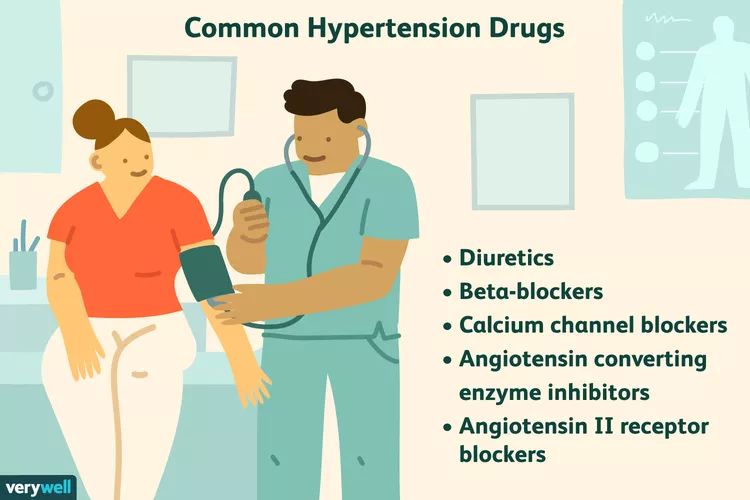
Different medicine options are available to control your blood pressure if changing your lifestyle is not enough. Here are some medication:
Beta-blockers:
These are no longer utilized as first-line antihypertensive treatment but in patients with another sign for the drug.
Labetalol and carvedilol are combined beta and alpha-adrenergic receptor antagonists which are now and then more compelling than unadulterated beta blockers. Labetalol can be utilized as an implantation in harmful stage hypertension. With the utilization of these procedures, all of these drugs serve as first-line treatment arrangements.
Calcium channel blockers:
The dihydropyridines for example Amlodipine 5-10mg daily, and nifedipine 30-90mg every day are viable and usually well-tolerated antihypertensive drugs that are especially valuable in more seasoned individuals. Side effects incorporate flushing, palpitations, and liquid retention. The rate-constraining calcium channel antagonists (e.g. diltiazem 200-300mg every day, verapamil 240mh daily) can be valuable when hypertension coexists with angina but they may cause bradycardia. The fundamental side impact of verapamil is constipation.
Alpha-blockers:
Alpha-blockers diminish nerve impulses that tighten blood vessels, permitting blood to stream more effectively and bringing down blood pressure.
Other drugs:
Different vasodilators may used. These include alpha1-adrenoceptor antagonists such as prazosin, indoramin, and doxazosin, and drugs that act straightforwardly on vascular smooth muscle, such as hydralazine and minoxidil. Side impacts include first dose and postural hypotension, migraine, tachycardia, and liquid retention.
Emergency treatment of accelerated phase or malignant hypertension:
In accelerated-stage hypertension, lowering blood pressure as well as rapidly may compromise tissue perfusion (due to modified autoregulation) and can cause cerebral harm, counting occipital visual deficiency, and accelerate coronary or renal insufficiency. Indeed, in the presence of cardiac failure or hypertension encephalopathy, a controlled reduction to a level of almost 150/90 mmHg throughout 24-48 hrs is ideal.
In most patients, it is conceivable to maintain a strategic distance from parenteral treatment and bring BP under control with bed rest and oral drug treatment. Intravenous or intramuscular labetalol (2mg/min to a greatest of 200mg), intravenous glyceryl trinitrate 0.6-1.2mg/hr), intramuscular hydralazine and intravenous sodium nitroprusside are all successful but require cautious supervision, ideally in a tall- reliance unit.
Hypertension Conclusion:
Hypertension is a common disorder affecting 25% of the ordinary population. It is a primary risk factor for atherosclerosis, congestive heart failure, and renal failure.
Essential hypertension represents 95% of cases that suffer from it, and it is a complex, multifactorial disorder involving both environmental influences and genetic polymorphisms that influence sodium resorption, aldosterone pathways, and the renin-angiotensin system.